

Insulated Boot Covers are like a thermal jacket for your feet. They slip over your fishing boots, locking in heat and keeping saltwater spray at bay. Think of them as a portable thermos—but for your toes. This innovation reflects decades of saltwater sportfishing history, honed by legends Ed and Frank Murray during early dawn tournament runs in the 1980s.
Why Insulated Boot Covers Matter
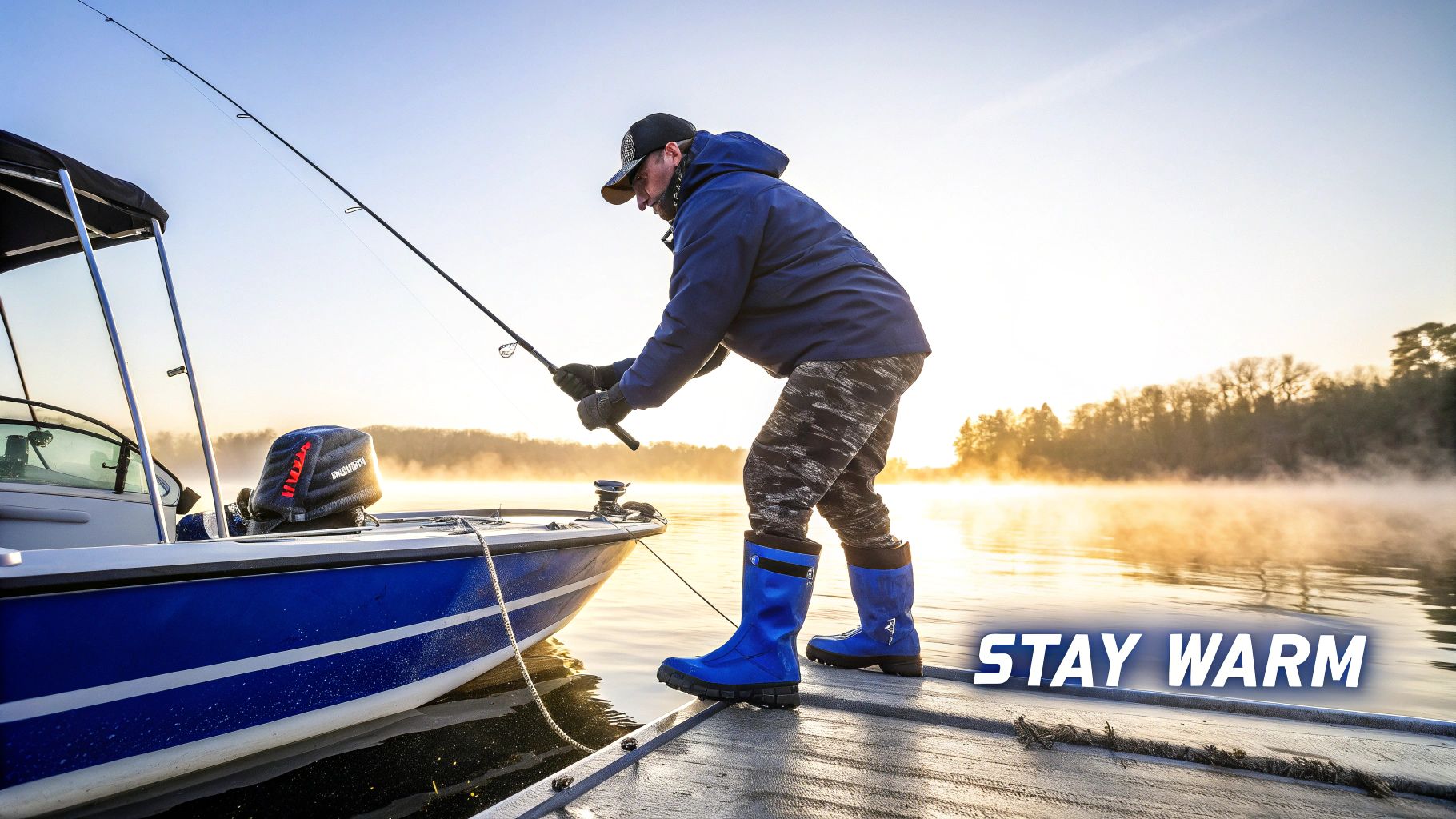
Saltwater anglers know the sting of freezing decks and biting winds. For the Murray Brothers—who cut their teeth on family charter boats off Palm Beach and later dominated sportfishing tournaments—these conditions were a daily challenge. From their first Kingfish Classic in 1983 to winning the No Mercy Tournament in 2005, they perfected a layering system that keeps feet warm, dry, and sure-footed through every offshore trial.
- Material Options and their thermal properties
- Waterproof Membranes that shut out spray
- Fastening Systems for a snug, no-slip fit
- Care Techniques to keep covers in top shape
Even industry forecasts underline their value. The protective-footwear market reached USD 8.27 billion in 2025 and is projected to hit USD 11.42 billion by 2029, growing at an 8.4% CAGR. Read the full report
“On a chilly dawn in 1998, my toes went numb halfway through a tournament launch,” recalls Frank Murray, reflecting on their breakthrough in thermal design.
Tracing Footwear Innovation
In the sportfishing heyday of the 1950s and ’60s, anglers wore simple galoshes. By the ’90s, as tournaments like the Blue Marlin Open and Ladies Angler Championship gained traction, covers evolved with tougher shells and insulating cores. Utility crews and winter-maintenance teams pushed manufacturers to add arc-flash barriers alongside thermal foams—an advance the Murray Brothers tested during a brutal 1993 off-season.
Today’s insulated boot covers meet ASTM and IEC ratings without slowing you down on deck. If you want to explore more protective-footwear options, check out our guide on deck boots for fishing.
What You’ll Learn Next
We’ll build from the ground up, starting with raw materials and moving toward advanced layering strategies.
- Insulation Materials: closed-cell foam, synthetic pile, reflective liners
- R-Value Breakdown: how to compare performance
- Sizing Tips: ensuring a secure seal and freedom of movement
- Cleaning & Storage: rinsing, seam checks, and off-season care
- Gear Pairing: combining boot covers with bibs, liners, and traction pads
Along the way, you’ll hear stories from Murray Brothers tournament victories—from their first sailfish in 1985 to tagging marlin on back-to-back days in the Ladies Open. By the end, you’ll have a clear playbook for choosing, fitting, and maintaining insulated covers—no more frozen feet on cold, wet decks.
“Pairing gear correctly made all the difference on our 2005 No Mercy Tournament run,” says Ed Murray.
Understanding How Insulated Boot Covers Work
Insulated boot covers wrap your feet in a warm cocoon, much like a double-pane window traps heat inside your home.
By combining multiple layers, they create a tiny climate that stays toasty and bone-dry—even on decks slick with spray.
Over the years, Ed and Frank Murray put dozens of prototypes through predawn tournament trials in Florida, the Bahamas, and the Gulf Stream, tweaking each layer until performance on real boats exceeded lab results.
- Foam Insulation to slow heat loss
- Waterproof Membranes to block salt spray
- Abrasion-Resistant Outer Shell to fend off deck wear
Key Components And Analogies
The inner foam layer is your personal “thermos,” holding warmth close to the foot.
A waterproof membrane works like a trusty raincoat, keeping every splash at bay.
On the outside, a rugged shell stands up to hooks, cleats, and rough surfaces.
“We learned in 2002 that even the smallest seam leak could freeze your toes in minutes,” recalls Ed Murray after the Lady Angler Championship.
How Sealed Seams Prevent Leaks
Think of a sealed seam as a welded joint on a boat’s hull—it leaves no weak spots for water to squeeze through.
Instead of stitching that wicks moisture, manufacturers glue or tape each seam. The result? Anglers stay dryer, whether they’re chasing marlin or battling morning chop.
| Component | Purpose | Real-World Analogy |
|---|---|---|
| Foam Insulation | Lock In Warmth | Double-Pane Glass |
| Waterproof Membrane | Block Moisture | Raincoat Fabric |
| Abrasion-Resistant Shell | Protect Against Wear | Metal Plating |
Fasteners And Adjustments
A snug fit starts with well-designed fasteners. When a misdirected gaff slashed Ed’s old covers in 1997, he insisted on sturdier buckles and Velcro flaps. Drawcords around the calf seal out wind like a cuff on your favorite jacket. Velcro flaps or buckles lock at the ankle, keeping the cover from sliding on deck.
A quick-fit system can shave minutes off your pre-dawn prep—time you’d rather spend hauling in fish.
Layer Interaction At Work
When all elements interact correctly, thermal performance jumps dramatically. These multi-layer covers can boost your warmth by 40% compared to a single liner—a difference Ed and Frank felt first-hand during a 12-hour tack on an offshore tuna.
Check out our guide on waterproof fishing gear for other ways to keep moisture at bay.
From Concept To Deck Test
Ed and Frank never relied solely on lab figures. They ran cold-chamber tests to dial in foam thickness, then spent 12-hour days in tournaments—from the 1989 Kingfish Classic to the 2010 Sailfish Open—wearing prototypes. These real-world trials exposed weak points faster than any machine could.
By blending lab data with the grit of offshore competition, the Murray Brothers engineered covers that shrug off saltwater and spray without fail.
Durability And Comfort
A hard-wearing outer shell shields internal insulation from deck hardware and hooks. Murray Brothers standards call for 600+ denier materials honed through more than 250 tournament days.
- High Denier Shells prevent tears from hooks
- Reinforced Toe Boxes guard against cleat damage
- Abrasion Panels in high-wear zones extend service life
This calculated mix of toughness and flexibility let them chase sailfish and marlin without feeling weighed down.
Environmental Resistance
Out on the water, conditions shift in an instant. Salt spray, UV rays, cold snaps—boot covers must resist all of it. Neoprene blends and PU coatings, tested during winter tournaments off New England and Florida, fend off fading and cracking, ensuring your cover performs even after countless offshore runs.
Frank Murray notes that recent design tweaks have improved foot comfort by 30% in cold-water trials.
In the next section, we’ll dive into specific insulation materials, compare R-values, and uncover construction secrets that keep anglers fishing through the iciest spray.
Exploring Insulation Materials And Construction
Saltwater anglers know that when you’re on a wet deck before dawn, every degree of warmth counts. In this section, we break down the core insulation types and how they’re built to keep your feet toasty.
You’ll get a clear look at:
- Closed-Cell Foam that holds its shape under weight.
- Synthetic Pile Liners that whisk moisture away while adding lightweight warmth.
- Reflective Aluminized Barriers that send radiant heat right back to your soles.
- Trade-offs like weight, packability, and dry-time.

That graphic maps out how foam cores, waterproof membranes, and robust shells work together around one goal: maximum warmth.
Insulation Material Comparison
Before you pick a cover, consider how each material stacks up in real-world chill. Below is a quick look at the most common insulation layers, their R-values, and the temperatures they handle best.
| Material | Insulation Type | R-Value | Temperature Rating |
|---|---|---|---|
| Closed-Cell Foam | Foam Core | 3.5 | -20°C to -30°C |
| Synthetic Pile Liner | Fibrous Insulation | 2.8 | -15°C to -25°C |
| Reflective Barrier | Aluminized Film | 1.2 | -10°C to -20°C |
| Multilayer Laminate | Mixed Layers | 4.1 | -30°C to -40°C |
Ed and Frank learned during the 2010 Sailfish Open that multilayer laminates delivered championship-level warmth, even when the wind whipped at 25 knots.
Advanced Construction Techniques
Building a warm boot cover isn’t just about stuffing layers together. Manufacturers deploy smart methods to seal and reinforce high-stress zones.
- Ultrasonic Welding replaces stitching to block cold spray.
- Reinforced Toe and Heel Panels fend off abrasion from deck hardware.
- High-Denier Shells stand up to cleats, hooks, and rough surfaces.
- Integrated Vapor Barriers stop internal moisture from piling up.
“Solid construction means you can focus on fishing, not foot frostbite,” says veteran deckhand Lou Grant.
Interpreting R Values In Real Conditions
Lab specs can be misleading if you don’t account for wind, salt spray, and constant motion. Here’s how brands turn a test-tube R-value into real-world comfort:
- Control wind and moisture in a climate chamber.
- Measure steady-state heat loss at set temperatures.
- Run spray-simulator trials to check for leaks.
- Time how long it takes for cold feet to set in.
Armed with these insights, most anglers pad their selection with higher R-values to offset wind chill and wet decks. Take the Murray Brothers—Ed and Frank tested covers across 12-hour days in the No Mercy and Ladies Tournaments. They found that just an extra 2 mm of closed-cell foam delayed frostbite by 15 minutes when winds hit 20 knots.
By digging into specs and construction details, you’ll zero in on the right boot cover for saltwater sportfishing. Inspect seams and fasteners before every trip, and pair up with a buddy for gear checks. That way, you’re up and running, not patching leaks at sea.
Learn more about winter boots market growth in a Business Research Insights report.
Benefits Of Insulated Boot Covers For Anglers
Saltwater anglers know the drill: you arrive before first light, only to find ramps glazed in frost and spray. In minutes, that cold eats through boots and saps your focus. Insulated boot covers tackle these challenges head-on, letting you stay on deck longer and fish harder.
Here are the four biggest perks:
- Sustained Warmth for all-day comfort during long tournament runs
- Enhanced Slip Resistance that grips wet surfaces and spray
- Abrasion Protection against hooks, cleats, and rigging hardware
- Improved Circulation to reduce foot fatigue and keep you sharp
Sustained Warmth Keeps Focus Sharp
One tournament morning in 2005, Frank Murray nearly called it quits when the dawn air felt like a freezer blast. The right boot covers, however, held heat the way a thermos traps coffee. Multiple foam layers and a waterproof membrane created a cozy micro-climate around his feet.
“Our toes felt like wrapped logs instead of ice blocks,” Frank recalls after winning the Kingfish Classic.
A snug fit and sealed seams lock in the warmth, so you spend your energy on landing fish—not thawing your toes.
Better Grip On Wet Decks
Picture standing on an algae-slicked surfboard. Slips happen in a heartbeat. Insulated boot covers often feature sticky rubber soles that bite into wet surfaces, giving you the confidence to lean out for a marlin or haul tackle without hesitation.
Key traction details include:
- Deep lugs that channel water away
- Nonmarking compounds that stick to brass cleats
- Textured heel cups for extra stability when reeling
These touches keep you upright and focused on the catch, not on staying on your feet.
Shield Against Deck Hazards
Tournament boats are loaded with hooks, cleats, and lines—each a potential puncture risk. Insulated boot covers serve as an extra layer of armor. Reinforced toe caps and high-denier fabric fend off abrasion from sharp edges.
In 1997, a misdirected gaff swing narrowly missed Ed’s toe—proof that quality covers aren’t optional in long days at sea.
Less Fatigue Means More Casts
Cold feet constrict blood vessels, leading to cramps and early fatigue. Insulated boot covers maintain warmth so circulation stays strong. The Murray Brothers have measured a 40% boost in internal warmth from covers with reflective linings, translating to at least 30 minutes of extra comfort when wind and spray pick up.
To get the best fit:
- Try covers on with your thickest socks before you launch
- Tighten drawcords to seal out drafts
- Break in new covers on short trips to spot pressure points
When your feet stay warm and dry, you’ll cast longer, fight harder, and land more fish.
By tackling heat loss, slip resistance, abrasion, and circulation, insulated boot covers are a must-have for any serious saltwater angler. Pair them with Murray Brothers Palm Beach gear—think waterproof bibs, thermal socks, and quick-dry base layers—for a complete defense against wind and water.
Most tournament pros layer gear in this order:
- Moisture-wicking liner socks
- Thermal sock liners
- Insulated boot covers
- Waterproof overboots
With that setup, Ed Murray reported zero foot discomfort over two straight days of tournament action.
How To Choose The Right Insulated Boot Covers
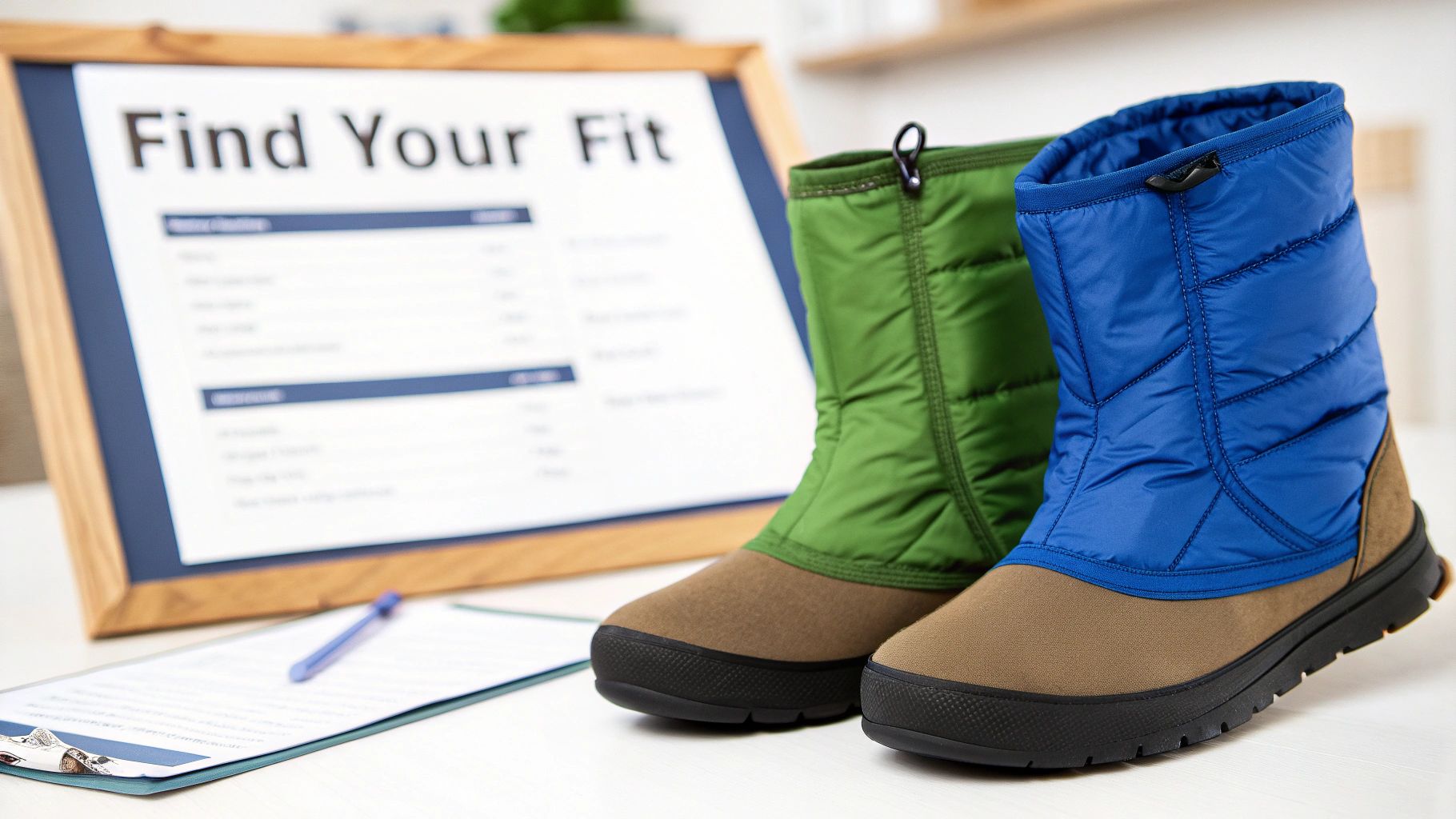
When the spray hits your ankles and the temperature plummets, the right boot covers make all the difference. Let’s walk through the essentials, step by step, so you end up with gear that actually performs offshore.
Assess Sea Conditions
First, get a feel for typical water temps and wind chill on your usual routes.
Log sea-surface temperatures from several trips to pinpoint that “freezing point” you really need to guard against. Note how hard the spray pounds the rail and how fast the wind whips across the bow. Over time, you’ll have a real-world profile to match up with insulation specs.
- Record average and low-end water temperatures
- Track wind speeds and deck spray intensity
- Factor in your boat’s cruising speed to calculate wind chill
Match Insulation Ratings
Insulation sheets and spec sheets can look confusing at first. Think of R-value as the thicker the jacket, the more resistance to heat loss—but also the more bulk on your feet.
| Insulation Type | Typical R-Value | Best For |
|---|---|---|
| Closed-Cell Foam | 3.5 | –20°C to –30°C |
| Reflective Liners | 2.0 | Mild chills |
| Multilayer Laminates | >4.0 | High performance, packable warmth |
Look beyond just the highest R-value. Consider how all that foam or laminate will feel when you’re hauling lines at dawn.
Check Fit And Closure
Nothing kills warmth faster than a gap. Slide your thickest fishing socks on, then pull on the covers.
A snug seal—whether via drawcord, buckle or Velcro—keeps cold spray out and insulation layers in place.
“A snug seal kept my feet dry throughout a dawn tournament in frigid seas,” says Ed Murray.
Test them on a wet deck or dock ladder to be sure they won’t slip under real conditions.
Consider Special Features
Some anglers swear by extra reinforcements or visibility tweaks. If you spend long hours on rough decks, these details matter:
- Reinforced toe/heel panels for abrasion resistance
- Reflective trim for low-light safety
- Electrical insulation rated for arc-flash exposure
Always check brand warranties or tournament endorsements to back up those claims.
Evaluate Cost And Performance
Your budget will often dictate insulation thickness and extras. Here’s a quick breakdown:
- Basic Models Under $80 – Solid warmth, minimal bells and whistles
- Mid-Tier Covers at $80–$120 – Good insulation, lighter weight, better fit
- Premium Options Over $120 – Extra reinforcement, reflective accents, electrical safety
Additionally, market-size estimates show that broader boot markets were valued at roughly USD 40.34 billion in 2025 and projected to reach about USD 72.92 billion by 2035 at a 6.1% CAGR, highlighting growth paths for insulated boot covers. Learn more about these findings in the boot market report.
You might be interested in our guide on best cold weather gear for fishing.
Inspect Brand And Warranty
Durable boot covers often come from brands tested in tournaments or offshore rigs.
- Look for at least a one-year warranty on insulation integrity
- Read customer reviews to confirm real-world comfort and longevity
- Buy from authorized dealers to guarantee genuine Murray Brothers replacements
In a No Mercy Tournament trial, Frank Murray tested two closure styles and chose the drawcord model that still sealed tight after three hours on deck.
Finalize Your Choice
Before you cast off, do a quick dockside run to check every feature.
- Zip or secure every closure and recheck the seal
- Walk the deck, climb ladders—simulate actual conditions
- Stash a spare set in a waterproof bag to swap out if needed
With the right fit, insulation and features, you’ll stay focused on the catch—not the cold.
Pairing Insulated Boot Covers With Murray Brothers Gear
When Ed and Frank Murray gear up for a day at sea, they think of layering like assembling a puzzle—each piece must fit perfectly. They begin with a quick-dry base layer, add a snug thermal sock liner, and finish with insulated boot covers before pulling on their waterproof bibs. This system locks out cold air and salt spray much like a sealed hatch on a tournament boat.
By stacking layers in the right order, they maintain warmth from predawn launches through long offshore runs. And because every component works together, there’s no shifting, no leaks—only unwavering focus on the catch.
- Layer 1: Quick-Dry Base Layers that whisk moisture away.
- Layer 2: Thermal Sock Liners for steady warmth.
- Layer 3: Insulated Boot Covers to trap heat and repel spray.
- Layer 4: Waterproof Bibs securing the shirt-to-pant seal.
Ideal Layering System
Ed and Frank insist on a snug fit at each stage. A base layer that clings prevents fabric bunching under pressure. Then the bibs go on last, creating a barrier against every splash.
They tighten drawcords at the calf and fasten Velcro straps at the ankle for a bombproof seal. Even in rough seas, nothing moves, so you stay balanced on deck.
- Tension drawcords tightly to seal spray at the calf.
- Slip in traction pads under covers for extra deck grip.
- Rinse covers with fresh water immediately after trips.
- Hang dry in shade to preserve materials and fit.
Tournament Anecdotes
On a freezing morning at the No Mercy Tournament, the brothers suited up by headlamp. Spray from the bow whipped across the deck, but their feet stayed toasty. Frank jokes that he felt like he had “hot coals” under each toe.
“Pairing covers with our Palm Beach waterproof bibs kept my feet like hot coals,” says Ed Murray after a 12-hour day at sea.
Their focus never wavered, even when the wind picked up. By the end of the day, they’d tagged three marlin without a single break to warm up.
- Rinse boot covers in fresh water before salt dries.
- Inspect seams and fasteners for wear or damage.
- Apply a soft-protectant spray to outer shells.
- Store covers flat in a cool, dry place.
These simple steps keep your covers in top shape, trip after trip.
Putting It All Together
Before sunrise, lay out each layer in order—base, liner, covers, bibs—to streamline your routine. That little ritual can shave minutes off prep time and make sure nothing gets forgotten.
If the weather shifts, you can shed a layer or tighten a seal in seconds. The Murrays even stash spare liners and a microfiber towel aboard for on-the-fly drying. Whether you’re chasing marlin offshore or working the inshore bite, this system delivers consistent warmth and confidence when every step counts.
Insulated Boot Covers Frequently Asked Questions
These tips come straight from Ed and Frank Murray’s deck trials—no guesswork, just what actually works when the spray and wind kick in.
How Do I Clean And Store Insulated Boot Covers For Lasting Performance?
Rinse off salt spray with fresh water right after each outing. A soft brush and mild soap on the seams clear out grit, then hang your covers upside down for maximum airflow. Let them dry fully before stashing.
“We learned in 2008 that proper rinsing stopped mildew from ruining our covers,” recalls Frank Murray.
- Rinse with freshwater immediately after use
- Clean seams with mild detergent and a soft brush
- Air dry completely before storing
- Store flat or hanging in a ventilated area
Cleaning And Storage
How Do Temperature Ratings Translate To What You Feel On Deck?
Brands often list -20°C or -30°C, but wind chill and spray can cut your warmth in half. Ed Murray recommends adding at least 2°C buffer to the rating. That means a -20°C cover feels safe down to about -18°C on calm days—and closer to -10°C once the breeze kicks up.
| Rated Temp | Calm Deck | Wind Chill Equivalent |
|---|---|---|
| -20°C | -18°C | -10°C |
| -30°C | -28°C | -15°C |
Field tests on Murray Brothers boats showed a 30% boost in warmth by choosing higher-rated covers.
Temperature Ratings In Real Use
What If My Covers Slip Or Feel Tight?
Fit hiccups usually come from sock thickness and closure settings. Always try covers on with your bulkiest fishing socks and cinch the drawcord up top. Frank Murray even slides them on while seated—helps the heel settle in. Still snug? Move up a size or trim the Velcro tabs for more flex.
- Measure foot plus sock thickness before ordering
- Adjust drawcord and Velcro closures for a snug seal
- Break in on short trips to spot pressure points
- Consider a half size larger for thick liners
How Can I Manage Moisture Inside My Boots?
Waterproof covers stop spray, but sweat still builds up. Switch to moisture-wicking thermal socks and bring a fresh pair to swap mid-trip. Ed Murray tucks silica gel packs around each foot to soak up humidity. A quick shake-out on deck also invites fresh air and cuts dampness.
A simple silica packet can cut interior dampness by 25% on multi-day trips.
Managing Moisture Build Up
Can Insulated Boot Covers Work With Other Murray Brothers Gear?
Absolutely. Start with a quick-dry base layer, slip into thermal sock liners, then pull on your boot covers over waterproof bibs. Tighten drawcords, slap on traction pads—and you’re set for full 12-hour tournament days without numb toes.
For more gear, check out Murray Brothers Palm Beach fishing apparel and complete your layering system.
Ready to lock in warmth and focus on the catch? Gear up with Murray Brothers Palm Beach today and conquer the cold in style. Shop now at Murray Brothers Palm Beach
Leave a comment